
Anjuman Sharie is a respected religious and socio-educational organization committed to preserving Islamic values, strengthening community institutions, and promoting ethical and social responsibility. Rooted in scholarly tradition and guided by collective wisdom, the Anjuman serves as a platform for religious guidance, community welfare, and constructive engagement with contemporary challenges.
The organization functions with the core belief that faith-based institutions must go beyond ritual guidance to actively contribute to social stability, education, and moral development. Anjuman Sharie seeks to harmonize religious principles with societal needs, ensuring that guidance remains relevant, lawful, and compassionate.
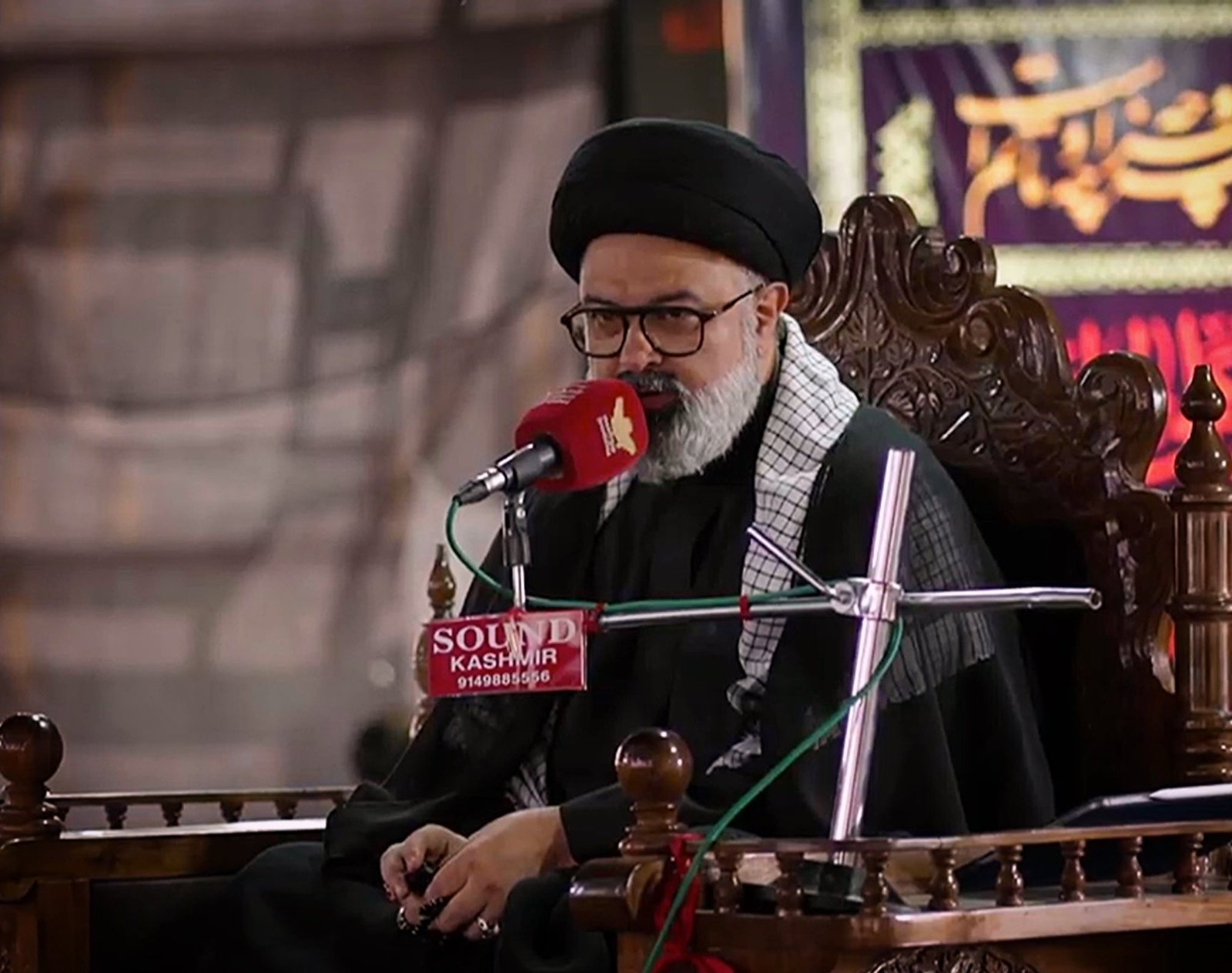
Under the scholarly supervision of respected religious leadership, including Aga Syed Mohammad Hadi Kashmiri, Anjuman Sharie has evolved into a trusted institution for consultation, mediation, and community direction—respected across generations.
Vision and Mission
Vision
To nurture a morally upright, educated, and socially responsible community guided by authentic Islamic principles and ethical conduct.
Mission
- To provide sound religious guidance rooted in Qur’an and Ahlul Bayt (AS)
- To strengthen religious, educational, and social institutions
- To promote unity, dialogue, and lawful community engagement
- To address social challenges through awareness, education, and mediation
- To empower youth with ethical clarity and intellectual confidence
Organizational Structure
Anjuman Sharie operates through a structured and consultative framework that ensures transparency, accountability, and collective decision-making.
1. Religious & Scholarly Council
This council comprises senior scholars and learned individuals responsible for:
- Issuing religious guidance and clarifications
- Advising on jurisprudential and ethical matters
- Ensuring alignment with Islamic principles
- Guiding institutional policy from a scholarly perspective
The council emphasizes consensus (Shura) and scholarly integrity, avoiding individualistic authority.
2. Executive Committee
The Executive Committee manages the operational and administrative affairs of the Anjuman. Its responsibilities include:
- Implementation of policies and decisions
- Coordination of programs and initiatives
- Financial oversight and resource management
- Liaison with community representatives and institutions
The committee works under defined rules to maintain institutional discipline and continuity.
3. Educational & Research Wing
This wing focuses on:
- Religious education and curriculum guidance
- Supporting madrasas and educational institutions
- Research on contemporary social and ethical issues
- Publication of educational and awareness material
Its objective is to ensure informed discourse and intellectual depth within the community.
4. Social Welfare & Mediation Cell
A key component of Anjuman Sharie, this cell addresses:
- Family and social disputes through mediation
- Counseling on moral, legal, and social matters
- Community welfare initiatives
- Assistance during social or humanitarian needs
The approach is rooted in compassion, confidentiality, and fairness.
5. Youth & Community Outreach Wing
Recognizing the importance of youth engagement, this wing:
- Organizes seminars, dialogues, and workshops
- Addresses youth-centric moral and social challenges
- Encourages leadership, discipline, and civic responsibility
- Bridges generational gaps through constructive dialogue
Core Activities

Religious Guidance
Anjuman Sharie provides guidance on religious matters including:
- Worship and jurisprudential queries
- Social ethics and moral conduct
- Community practices and traditions
Guidance is issued with care, responsibility, and contextual understanding.
Educational Support
The Anjuman actively supports:
- Religious and modern educational institutions
- Teacher training and curriculum enrichment
- Awareness programs on ethics, values, and discipline
Education is viewed as the foundation of sustainable reform.
Community Mediation
Anjuman Sharie plays a constructive role in:
- Resolving family and social disputes
- Encouraging reconciliation and mutual understanding
- Preventing escalation of conflicts
Mediation is conducted respectfully and confidentially.
Social Awareness & Reform
The organization conducts programs addressing:
- Moral and ethical challenges
- Social responsibility and civic sense
- Drug abuse, social decay, and misinformation
Reform is pursued through education rather than confrontation.
Public Engagement & Statements
Anjuman Sharie engages responsibly with public discourse by:
- Issuing measured and principled statements
- Advocating peaceful, lawful, and ethical approaches
- Encouraging unity and patience during critical times
Public communication reflects restraint and foresight.
Role of Aga Syed Mohammad Hadi Kashmiri
Under the guidance of Aga Syed Mohammad Hadi Kashmiri, Anjuman Sharie has reinforced its scholarly depth and community relevance. His approach emphasizes:
- Institutional integrity over individual prominence
- Education as a tool for empowerment
- Youth engagement through dialogue
- Ethical consistency in leadership
His involvement has strengthened trust in the Anjuman as a stabilizing and guiding institution.
Impact and Community Trust
Over the years, Anjuman Sharie has earned credibility through:
- Consistent ethical positions
- Balanced religious guidance
- Transparent institutional functioning
- Engagement across social and generational boundaries
Its influence lies not in visibility alone, but in sustained trust and relevance.
Looking Ahead
Anjuman Sharie continues to evolve in response to changing social realities while remaining anchored in foundational values. Its future focus includes:
- Strengthening educational initiatives
- Expanding youth engagement
- Enhancing research and documentation
- Deepening community welfare programs