
As the Islamic world approaches the year 1448 AH, anticipated to begin on June 16, 2026, the global Muslim community prepares to usher in the new year not with jubilation, but with profound solemnity. Unlike other global traditions, the Islamic calendar commences with Muharram—a month that stands as a monumental testament to sacrifice, resilience, and the eternal struggle between truth and falsehood.
For the believers in the valley of Kashmir and beyond, Muharram is not merely a period on the calendar; it is a spiritual university. It is a time when the heart weeps, the soul reflects, and the community is galvanized by the memory of Imam Hussain (AS), the grandson of the Holy Prophet (PBUH), who stood against tyranny on the scorched plains of Karbala.
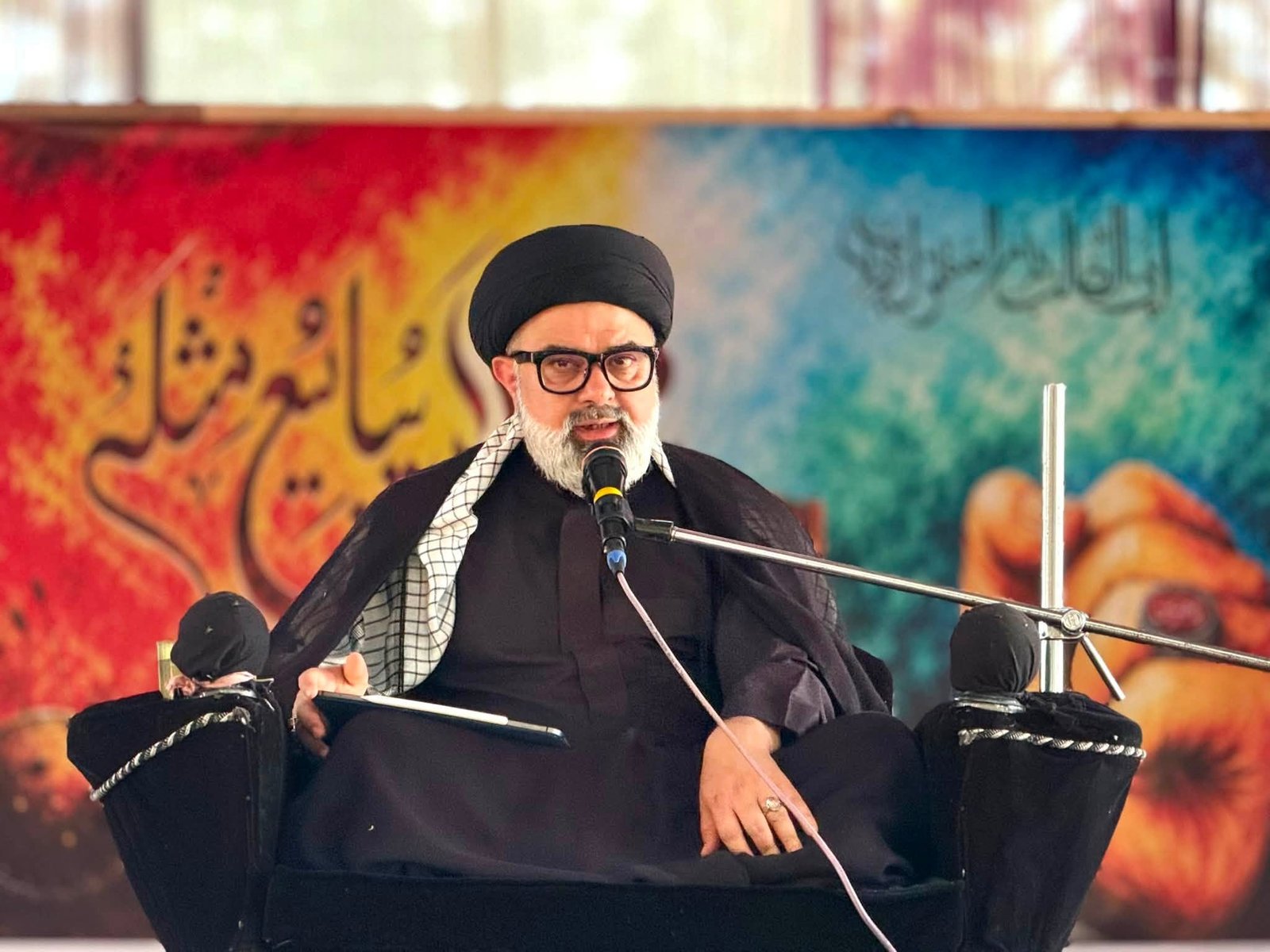
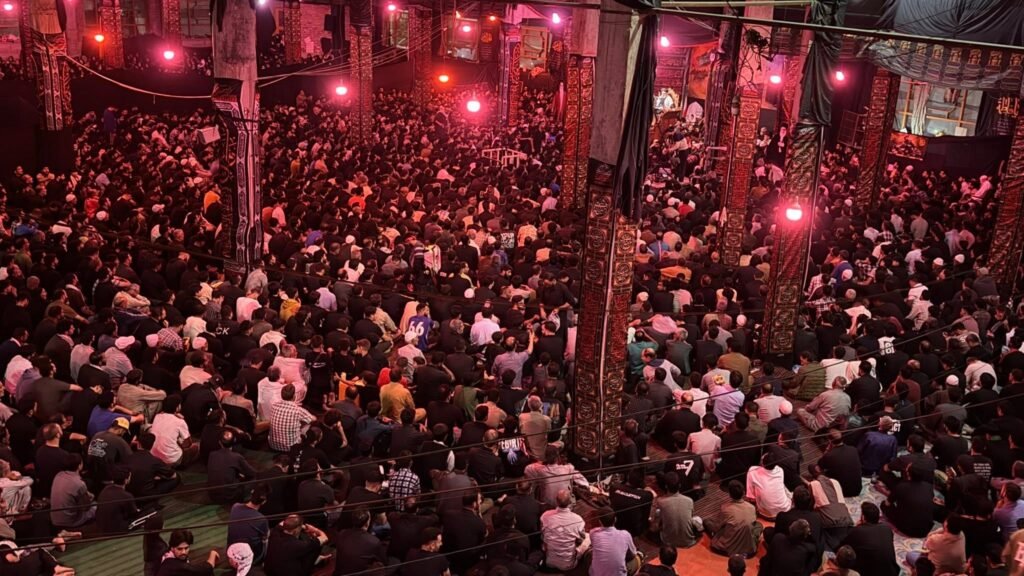
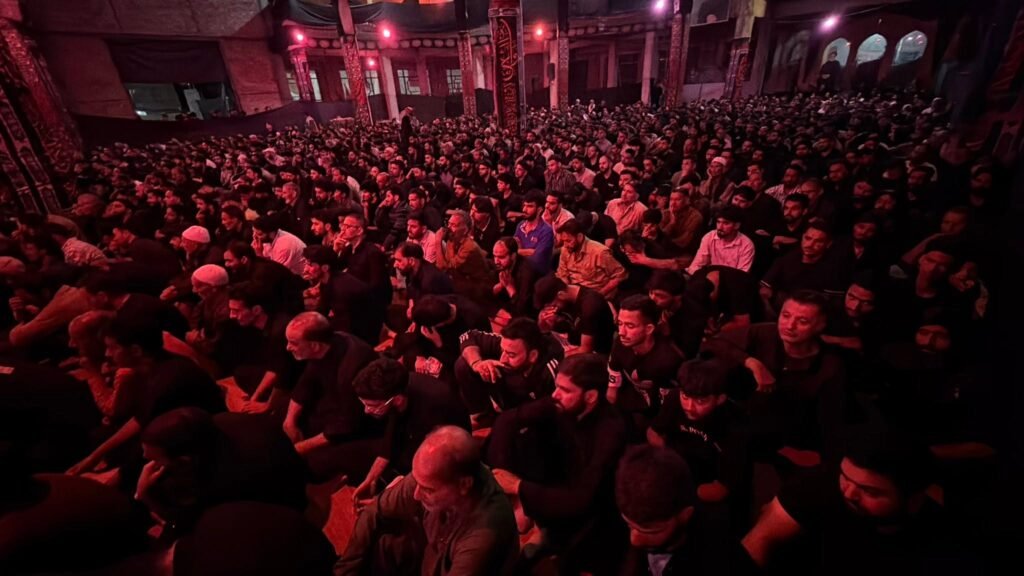
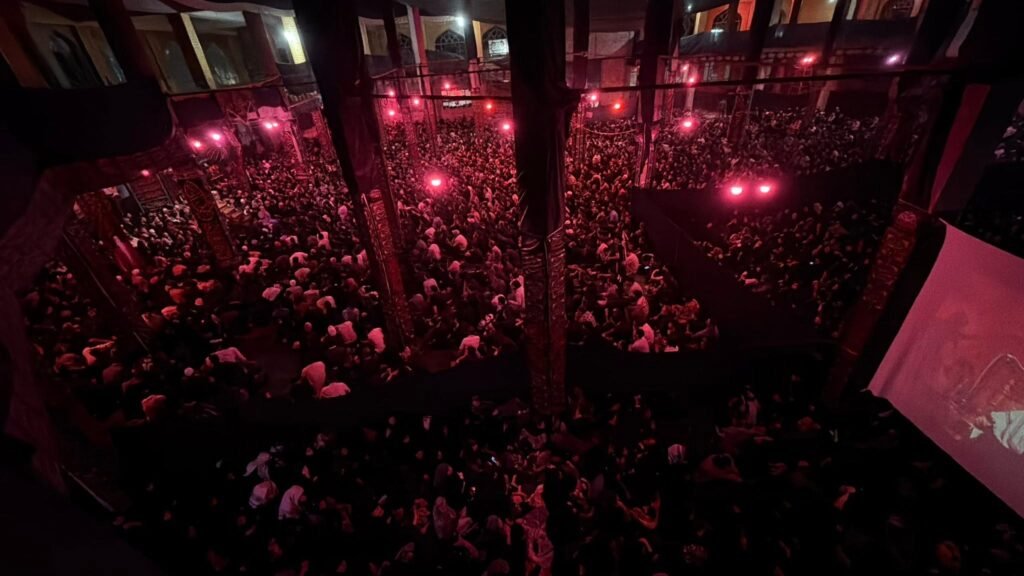
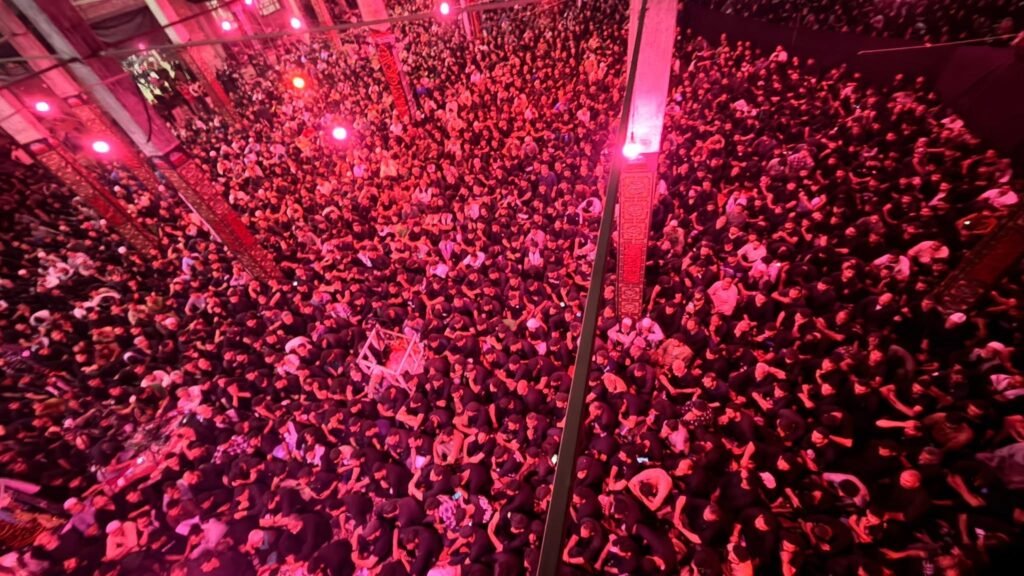
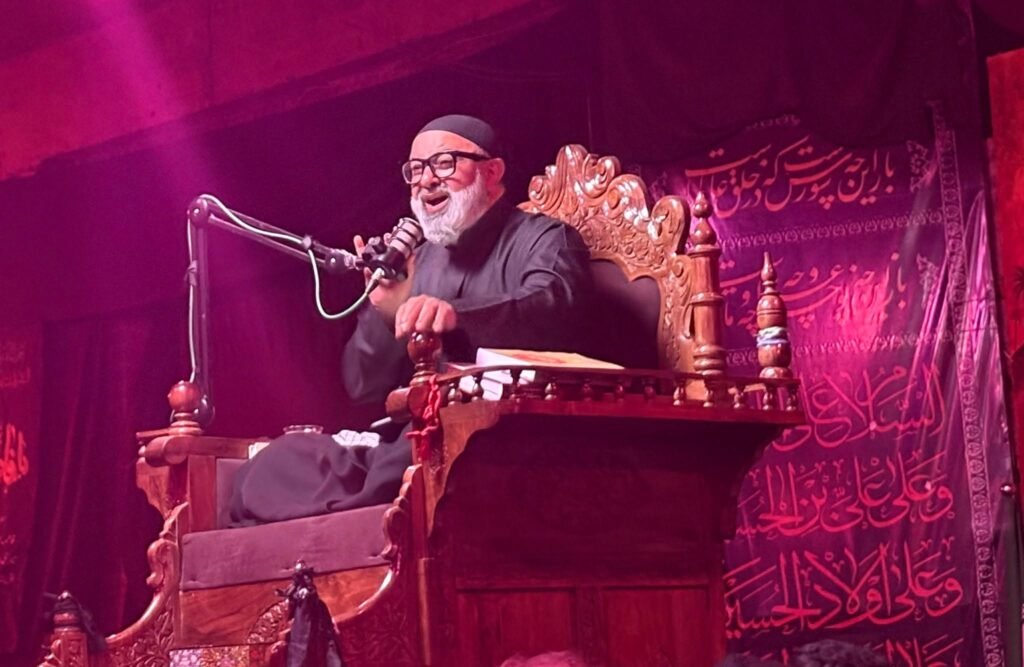
Under the spiritual patronage of Aga Syed Mohammad Hadi Kashmiri and the broader umbrella of Anjuman Sharie, Muharram 2026 in Kashmir will be observed with the traditional fervor of Azadari (mourning), intertwined with a deep commitment to the social and moral upliftment of the community. The sprawling complex of Imambada Bemina, alongside numerous local community centers, will once again resonate with the heart-rending elegies (Marsiya and Noha), profound scholarly sermons (Majalis), and community service initiatives.
This blog post serves as a comprehensive guide to understanding the spiritual trajectory of Muharram 2026 (1448 AH), detailing the sequence of events from the 1st to the end of the month, and outlining the collective responsibilities we shoulder during these sacred days.
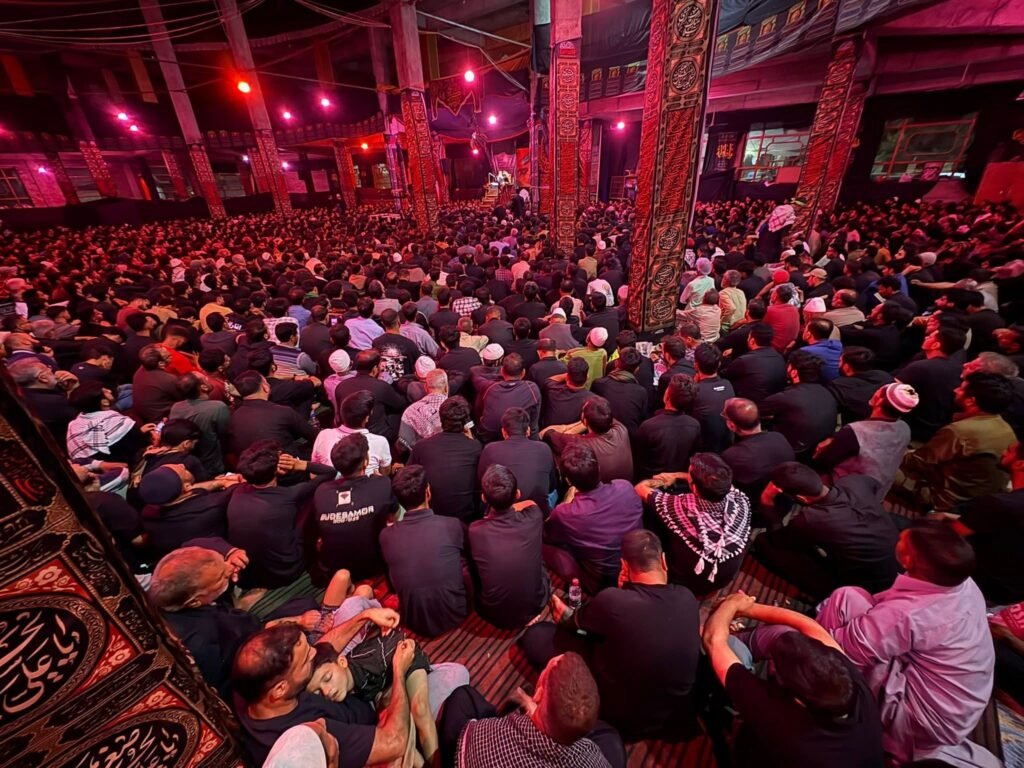
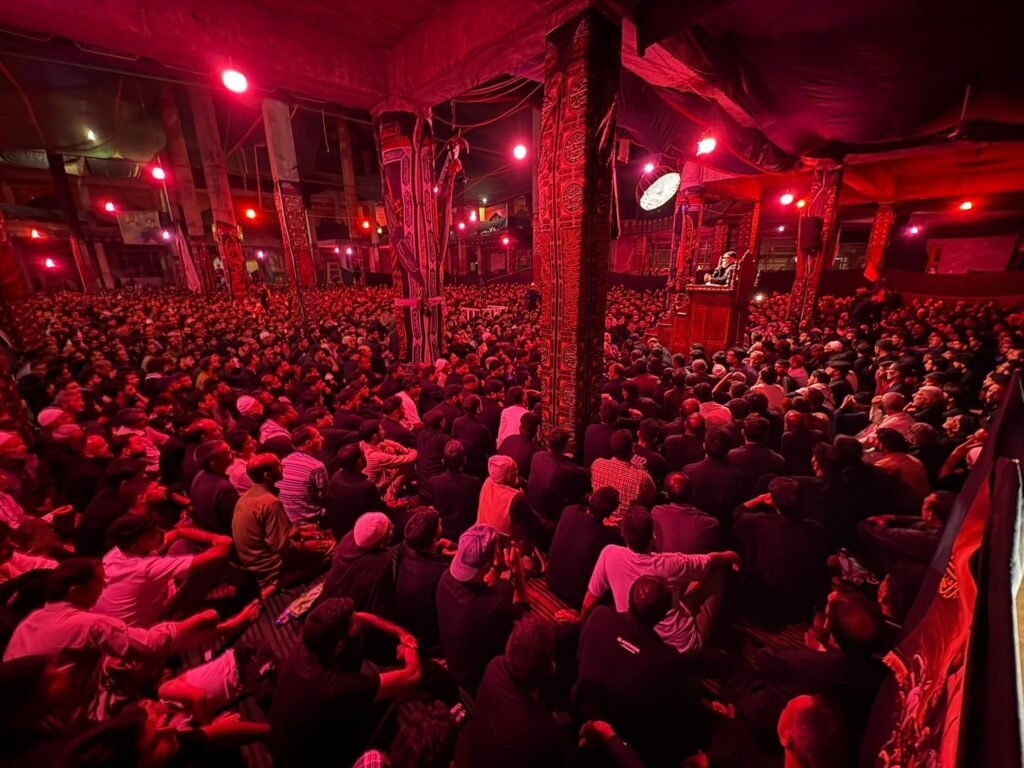
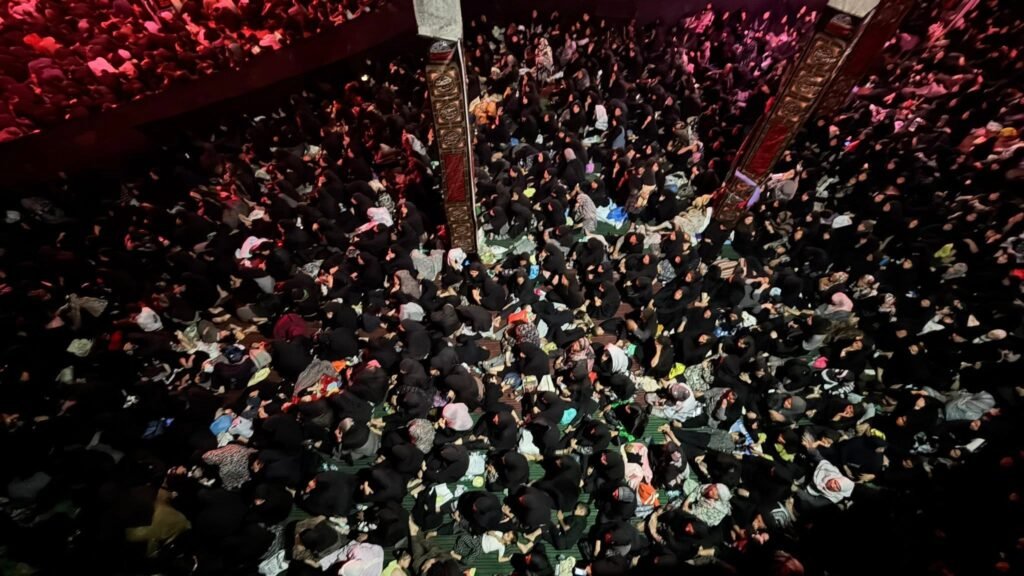
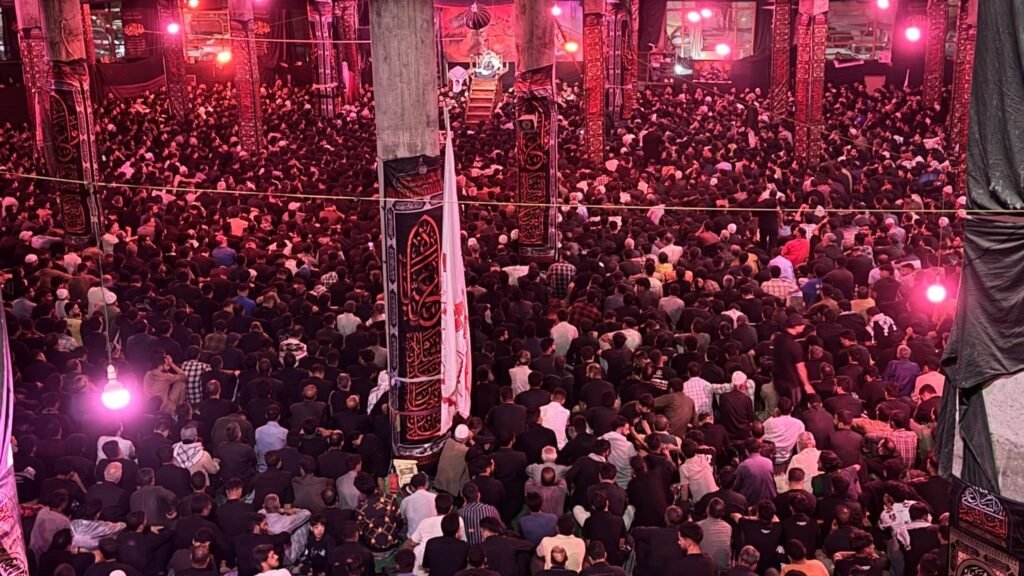
The Philosophy of Azadari: Why We Mourn
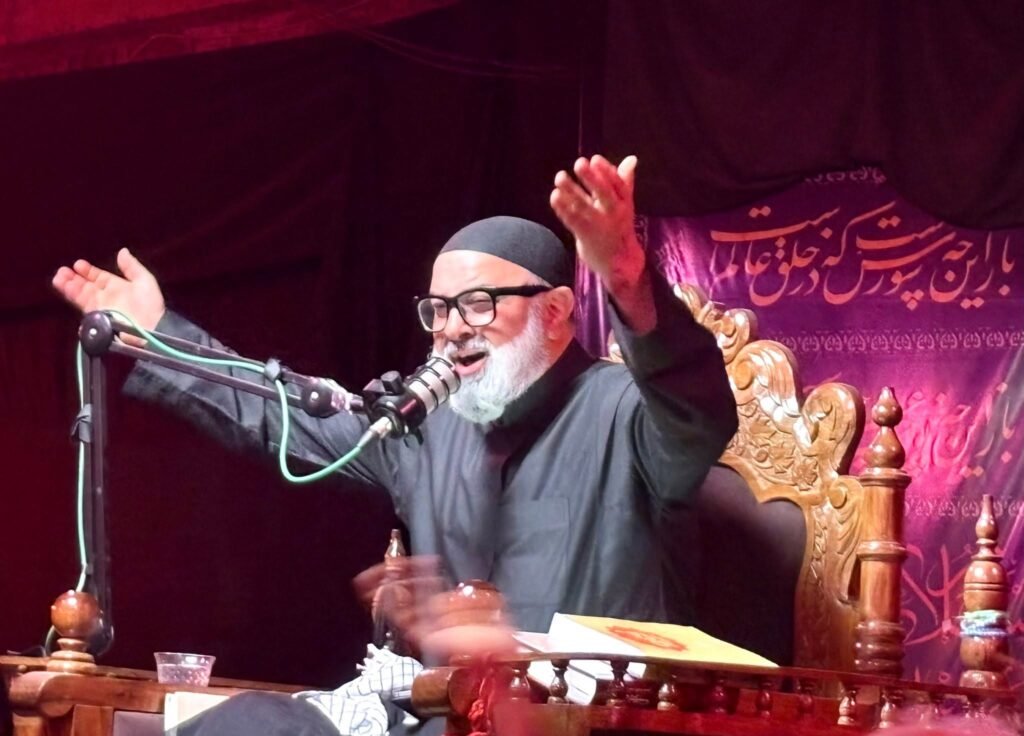
Before delving into the day-by-day events of Muharram, it is essential to understand the essence of our gatherings. Aga Syed Mohammad Hadi has consistently emphasized in his sermons that Azadari is not a passive ritual; it is a proactive movement. To shed a tear for Imam Hussain (AS) is to align oneself with justice, equity, and human dignity.
When we raise the black flags on the 1st of Muharram, we are making a public declaration that the mission of Karbala is alive. The majalis (gatherings) are classrooms where the theology of resilience is taught. Through these gatherings, the community preserves its identity, learns its history, and draws the moral courage needed to navigate the challenges of the modern world. In 2026, as the world faces unprecedented social and ethical crises, the message of Imam Hussain (AS)—“I do not rise for mischief or corruption, but to reform the nation of my grandfather”—is more relevant than ever.
Muharram 1448 AH: A Day-by-Day Chronicle (June 17– July 16, 2026)
The first ten days (Ashra-e-Muharram) trace the harrowing yet spiritually magnificent journey of Imam Hussain (AS), his family, and his companions. Each day in our mourning tradition is uniquely dedicated to specific martyrs, allowing the faithful to deeply absorb the distinct virtues they embodied.
1st Muharram (Tuesday, June 17, 2026): The Beginning of Grief
As the crescent moon is sighted, the Islamic New Year begins. However, the traditional greetings are replaced with condolences. Across Kashmir, black flags are hoisted over Imambadas, homes, and streets. The 1st of Muharram typically commemorates the arrival of the sorrowful month. In the majalis, scholars recount the departure of Imam Hussain (AS) from Medina and later Mecca, highlighting his refusal to pledge allegiance to a corrupt ruler. It is a day of setting our intentions, purifying our hearts, and preparing for the days of intense mourning.
2nd Muharram (Wednesday, June 18, 2026): Arrival at Karbala
On this day in 61 AH, the caravan of Imam Hussain (AS) was intercepted by the forces of Hurr ibn Riyahi and forced to halt at a barren, desolate land. When Imam Hussain asked the name of the land and was told it was “Karbala” (a word encompassing Karb – grief, and Bala – trial), he ordered the tents to be pitched. In our gatherings, we reflect on the moment the women and children of the Prophet’s household stepped onto the sands that would soon be dyed with their blood. It is a day to reflect on the virtue of submission to the Will of Allah.
3rd Muharram (Thursday, June 19, 2026): The Gathering Storm
On the 3rd of Muharram, Umar ibn Sa’ad arrived in Karbala with a massive army to intimidate the small band of Imam Hussain’s followers. Despite the terrifying odds, the companions of the Imam remained unshaken. This day is often dedicated to recounting the unwavering loyalty of the companions of Hussain—individuals of different ages, races, and social statuses who were united by their love for the truth.
4th Muharram (Friday, June 20, 2026): The Sons of Syeda Zainab (SA)
The 4th of Muharram is traditionally dedicated to the young and brave sons of Syeda Zainab (SA)—Aun and Muhammad. The majalis focus on the incredible sacrifice of a mother who willingly prepared her young sons for martyrdom. Syeda Zainab’s role as the intellectual and spiritual protector of the revolution is highlighted. Under the guidance of Aga Syed Mohammad Hadi, sermons on this day heavily emphasize the role of women in shaping society, preserving faith, and standing against tyranny.
5th Muharram (Saturday, June 21, 2026): The Ambassador, Muslim bin Aqeel (AS)
Though Muslim bin Aqeel (AS) was martyred in Kufa before the events of Karbala, his tragedy is deeply woven into the fabric of Muharram. As the lone ambassador of Imam Hussain (AS) in a treacherous city, his story is one of ultimate isolation and steadfast loyalty. Gatherings across Budgam and Srinagar echo with the tragedy of his abandonment, teaching the believers the cost of remaining true to one’s principles when the majority turns away.
6th Muharram (Sunday, June 22, 2026): The Youthful Valor of Hazrat Qasim (AS)
The 6th day commemorates Hazrat Qasim (AS), the young son of Imam Hassan (AS). He famously declared that death in the path of truth was “sweeter than honey.” His martyrdom is a profound lesson for the youth. The majalis address the modern challenges faced by the younger generation, urging them to draw inspiration from the moral clarity and bravery of Hazrat Qasim (AS).
7th Muharram (Monday, June 23, 2026): The Thirst of Ali Asghar (AS)
On the 7th of Muharram, the supply of water to the camp of Imam Hussain (AS) was officially blocked by the enemy forces. The agony of thirst gripped the camp, particularly the children. This day is dedicated to Hazrat Ali Asghar (AS), the six-month-old infant who was martyred by a poisoned arrow while cradled in his father’s arms. The commemoration of this day breaks the hardest of hearts. Across Kashmir, Sabeels (water distribution stalls) are set up in memory of the thirst of Karbala, and believers are reminded of their duty to care for the vulnerable and the oppressed in today’s world.
8th Muharram (Tuesday, June 24, 2026): Hazrat Abbas (AS) and the Fall of the Alam
The 8th of Muharram is universally recognized as the day of Hazrat Abbas (AS), the loyal brother and the standard-bearer (Alamdar) of Imam Hussain’s army. His heroic attempt to fetch water from the Euphrates River for the thirsty children, resulting in the severing of his arms and his tragic martyrdom, is the epicenter of Shia grief. In Kashmir, massive processions featuring beautifully decorated Alams are taken out. Imambada Bemina witnesses thousands of mourners beating their chests, reciting Noha, and paying tribute to the ultimate symbol of loyalty and brotherhood.
9th Muharram (Wednesday, June 25, 2026): Tasu’a and the Sacrifice of Ali Akbar (AS)
Tasu’a marks the eve of Ashura. It is a day of heavy anticipation and sorrow. Often, this day is dedicated to Hazrat Ali Akbar (AS), the 18-year-old son of Imam Hussain (AS) who bore a striking resemblance to the Holy Prophet (PBUH). His martyrdom symbolizes the sacrifice of a father offering his most precious asset for the sake of religion. The night that follows—Shab-e-Ashura—is spent in intense prayer, recitation of the Quran, and spiritual preparation, mimicking the final night of the martyrs of Karbala.
10th Muharram (Thursday, June 26, 2026): The Day of Ashura
Ashura is the climax of Muharram, the day of supreme sacrifice. By the afternoon of the 10th of Muharram, Imam Hussain (AS) and all his companions were brutally martyred. The day begins with early morning prayers (Amaal of Ashura) and the recitation of Ziyarat Ashura. Across the valley, from Budgam to Srinagar, immense processions take place under the banner of Anjuman Sharie. Believers express their grief through synchronized chest-beating, weeping, and chanting. It is a day of spiritual renewal.
Under the visionary leadership of Aga Syed Mohammad Hadi, Ashura in Kashmir is also marked by extensive blood donation camps. Mourners donate their blood as a practical tribute to the blood spilled in Karbala, saving human lives and actualizing the humanitarian essence of Imam Hussain’s sacrifice. The day concludes with the haunting Sham-e-Ghariban (The Evening of the Strangers). The lights are turned off in the Imambadas, and the majlis focuses on the burning of the tents and the enslavement of the women and children, marking the beginning of the grueling leadership of Syeda Zainab (SA) and Imam Sajjad (AS).
The Aftermath: 11th to the End of Muharram
The tragedy of Karbala did not end on Ashura; in many ways, it had just begun. The subsequent days of Muharram are dedicated to the arduous journey of the captives.
11th and 12th Muharram:
The 11th day focuses on the departure of the captive caravan from Karbala, leaving behind the unburied bodies of their loved ones. The 12th of Muharram is marked as the Soyem (third day) of the martyrs, commemorating the day the tribe of Banu Asad, guided by the miraculously present Imam Sajjad (AS), buried the sacred bodies. Special majalis are held to reflect on this somber event.
25th Muharram (July 11, 2026): Martyrdom of Imam Zain-ul-Abideen (AS)
The month of mourning approaches its conclusion with the martyrdom anniversary of the 4th Imam, Ali ibn Hussain (AS), known as Zain-ul-Abideen (the ornament of the worshippers). He was the survivor of Karbala who spent the rest of his life in profound grief, yet successfully preserved the message of Ashura through his sermons in the courts of Kufa and Damascus, and through his magnificent collection of supplications, the Sahifa Sajjadiyya. The majalis on this day draw deep lessons on spiritual resilience, political defiance through patience, and the power of prayer.
By mid-July 2026 (around July 16), the month of Muharram concludes, making way for the month of Safar, where the mourning and the recounting of the captives’ journey to Damascus continue.
Community Initiatives and the Vision of Anjuman Sharie
Aga Syed Mohammad Hadi Kashmiri has consistently championed a holistic approach to Azadari. Muharram is a time for individual introspection, but it is equally a time for community mobilization. During Muharram 2026, the initiatives managed by the Anjuman Sharie and centered around institutions like Imambada Bemina and Aayatullah Yousuf Memorial Educational Institute will include:
- Educational Seminars: Running parallel to the traditional majalis, seminars discussing the historical, political, and socio-economic dimensions of Karbala will be organized. These seminars are crucial for equipping the youth with logical frameworks to defend and practice their faith.
- Social Welfare & Charity (Sadaqah): Reflecting Imam Hussain’s care for the downtrodden, large-scale food distribution (Niyaz) and financial assistance programs for orphans, widows, and marginalized families will be activated across the valley.
- Medical and Blood Donation Camps: Translating the emotional energy of mourning into tangible humanitarian relief, widespread blood donation drives and free medical camps will serve the broader society, irrespective of faith or background.
A Final Reflection for 1448 AH
As we prepare our black clothes and ready our hearts for Muharram 2026, let us heed the timeless guidance of our spiritual leadership. Aga Syed Mohammad Hadi reminds us that the tears shed for Imam Hussain (AS) are a covenant. They are a promise that we will not tolerate oppression, whether it is in the broader geopolitical arena or within our own homes and communities.
Karbala is not locked in 61 AH; it is an ongoing reality. Every day is Ashura, and every land is Karbala. This Muharram, as we sit on the carpets of Imambada Bemina or our local community halls, let us ask ourselves: Where do we stand in the modern Karbala? Are our actions, our ethics, and our character aligned with the camp of Hussain?
May Allah (SWT) grant us the Tawfiq (divine opportunity) to mourn the tragedy of Karbala with sincerity. May this Muharram bring a profound moral transformation to our lives, heal the collective wounds of our society, and hasten the reappearance of the Awaited Savior, Imam al-Mahdi (ATFS), the ultimate avenger of the blood of Karbala.
Labaik Ya Hussain!